

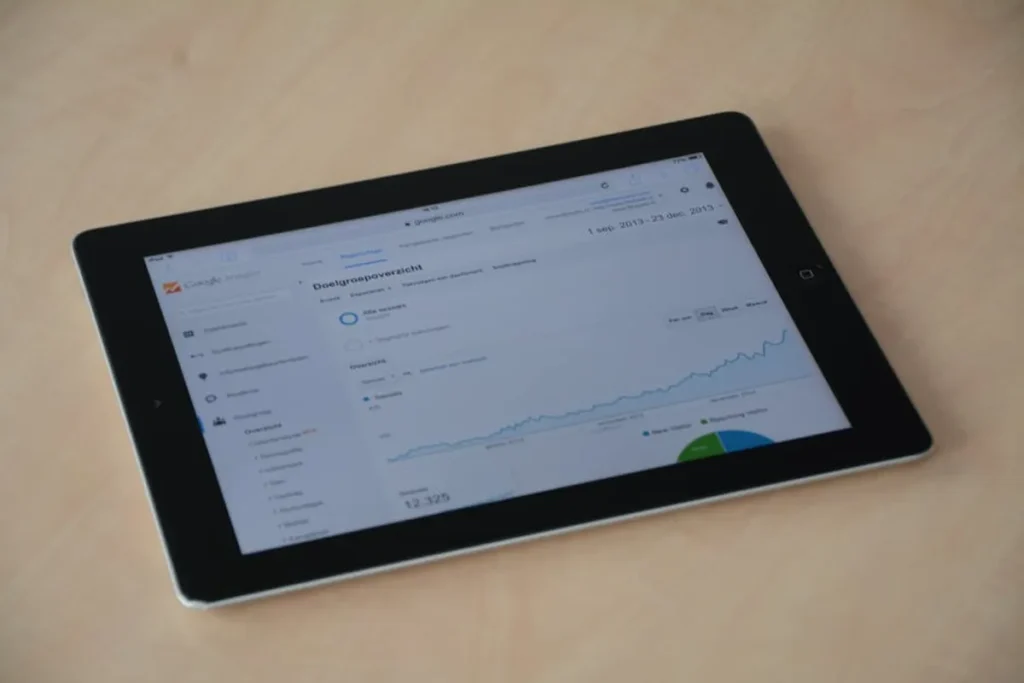
In the dynamic landscape of search engine results pages (SERPs), where algorithm updates and competitive shifts occur frequently, relying on weekly or even bi-weekly keyword position data can leave marketers and site owners reacting to outdated information. A dedicated keyword ranking tracker offering daily SERP position updates provides the granular visibility necessary for agile SEO strategy, enabling prompt adjustments and informed decision-making. This guide outlines the operational benefits and strategic applications of integrating daily position tracking into your SEO workflow. This granular visibility, provided by daily SERP position updates, is key to staying ahead of the competition.
The Operational Imperative of Daily Tracking
Understanding where your site ranks for target keywords is fundamental to SEO. Daily tracking elevates this understanding beyond periodic snapshots, offering a continuous pulse on performance. This frequency is not merely a convenience; it's a strategic necessity for several reasons:
- Real-time Performance Monitoring: Daily updates provide immediate feedback on the impact of recent SEO changes, content deployments, or technical adjustments. This allows for quick validation of successful tactics or rapid identification of underperforming efforts.
- Rapid Competitive Response: Competitors rarely stand still. Daily tracking reveals their ranking shifts, new content initiatives, or changes in their SERP visibility almost as they happen. This intelligence enables proactive counter-strategies, preventing significant market share erosion.
- Granular Trend Analysis: While weekly data might show a general upward or downward trend, daily data exposes the micro-fluctuations and daily volatility that can signal underlying issues or opportunities. Identifying these patterns helps in understanding algorithm behavior and SERP stability for specific keywords.
- Early Identification of SERP Volatility: Major algorithm updates or significant SERP changes often manifest as immediate ranking shifts. Daily tracking provides an early warning system, allowing teams to assess the impact and formulate a response much faster than with less frequent data.
Essential Features of a Robust Keyword Ranking Tracker
To effectively leverage daily SERP position data, the chosen tracking solution must offer specific capabilities beyond basic rank reporting:
Daily Update Frequency
The core requirement. The platform must refresh keyword positions every 24 hours, ideally at a consistent time, to ensure data comparability and timely insights.
Comprehensive SERP Feature Monitoring
Modern SERPs are rich with elements beyond the traditional "blue links." An effective tracker monitors and reports on visibility in:
- Featured Snippets
- Local Packs
- Knowledge Panels
- Image Carousels
- Video Carousels
- People Also Ask (PAA) boxes
- Shopping results
Tracking these features provides a complete picture of your search presence and identifies opportunities for optimization beyond organic rank.
Geographic and Device Specificity
Search results vary significantly by location and device. The tracker should allow for granular targeting, enabling you to monitor rankings for specific cities, states, or countries, and differentiate between desktop, mobile, and tablet results. This is critical for businesses with local SEO strategies or a mobile-first audience.
Competitor Tracking Capabilities
Monitoring your own performance in isolation is insufficient. The ability to track competitor rankings for the same keyword sets, and view side-by-side comparisons, is invaluable for competitive analysis and benchmarking.
Reporting and Alerting Systems
Effective trackers offer customizable dashboards, scheduled reports, and automated alerts for significant ranking changes (e.g., dropping out of the top 10, gaining a featured snippet). These features streamline data consumption and ensure critical shifts don't go unnoticed.
Historical Data Retention
Long-term data retention is crucial for identifying seasonal trends, measuring the impact of past SEO campaigns, and understanding performance trajectories over months or years. Ensure the platform stores historical data for an adequate period.
Pro Tip: While daily data offers unparalleled granularity, avoid reacting to every single-day fluctuation. Focus on identifying consistent trends or significant, sustained shifts. A one-day dip might be noise; a three-day decline often warrants investigation.
Implementing Daily Tracking: A Practical Workflow
Setting up and utilizing daily position tracking involves a structured approach:
Step 1: Keyword Selection and Grouping
Prioritize keywords based on search volume, commercial intent, and current ranking position. Group related keywords to analyze performance by topic or product category. This makes data interpretation more manageable.
Step 2: Setting Up Tracking Parameters
For each keyword, define the precise tracking parameters: target URL, specific geographic location (down to city level if necessary), and device type (desktop, mobile). Configure competitor tracking by adding their domains for the same keyword sets.
Step 3: Integrating Data (Optional)
Many advanced trackers offer API access or integrations with other analytics platforms. Consider exporting daily ranking data to a central dashboard or business intelligence tool for a holistic view alongside traffic, conversions, and other metrics.
Step 4: Interpreting Daily Reports
Establish a routine for reviewing daily reports. Look for significant gains or losses, changes in SERP feature visibility, and competitor movements. Pay attention to keywords that move in clusters, as this often indicates broader algorithmic shifts or content performance changes.
Leveraging Daily Data for Strategic Advantage
The true value of daily tracking lies in its application to strategic decision-making:
Content Optimization Adjustments: If a key content piece experiences a ranking drop, daily data allows for immediate re-evaluation and optimization. Conversely, a sudden gain might indicate an opportunity to expand or interlink that content further.
Link Building Prioritization: Identify pages that are on the cusp of breaking into the top 10 or 5. A small push from strategic link acquisition might be enough to secure a higher, more visible position, and daily tracking confirms the impact quickly.
Technical SEO Audits: Post-migration or after significant site changes, daily tracking can quickly highlight any negative impact on rankings, prompting immediate technical audits to diagnose and resolve issues before they escalate.
PPC Strategy Alignment: Integrate ranking data with your paid search campaigns. If organic rankings for a high-value keyword drop, you might temporarily increase PPC spend to maintain visibility. Conversely, strong organic gains can inform a reduction in ad spend for that term.
Optimizing Your Tracking Investment
To maximize the return on your daily tracking efforts:
- Focus on High-Value Keywords: Prioritize tracking for keywords that directly drive revenue, leads, or critical business objectives. While broad tracking is useful, intense daily scrutiny should be reserved for your most impactful terms.
- Segment Data for Clarity: Utilize tagging and grouping features within your tracker to segment keywords by product, service, intent, or content type. This allows for more focused analysis and action.
- Regularly Review and Refine Keyword Lists: SERP landscapes evolve. Periodically audit your tracked keywords, removing those that are no longer relevant or adding new opportunities identified through keyword research or content expansion.
Actionable Steps for Consistent Performance
Implementing daily SERP position tracking is an investment in real-time intelligence. By choosing a tracker with the right features and establishing a consistent workflow for data review and action, you transform raw ranking data into a powerful strategic asset. This granular visibility allows for proactive SEO adjustments, quick competitive responses, and a more precise understanding of how your efforts translate into search visibility. Embrace daily tracking to maintain an edge in an ever-changing search environment, ensuring your SEO strategy is always informed by the most current data available.
Frequently Asked Questions
Is daily keyword tracking necessary for all websites?
While beneficial for most, daily tracking is particularly crucial for competitive niches, e-commerce sites, news publishers, or any business where rapid SERP shifts directly impact revenue. For smaller, less competitive sites, weekly tracking might suffice, but daily provides a distinct advantage in agility.
Can daily tracking lead to analysis paralysis?
It can if not managed correctly. The key is to focus on significant trends and sustained changes rather than reacting to every minor fluctuation. Use alerts for critical movements and establish clear thresholds for when to investigate further.
How many keywords should I track daily?
The ideal number depends on your budget, the size of your site, and your strategic priorities. Start with your most important, high-value keywords and expand as you become more comfortable interpreting the data. Focus on quality over quantity.
What's the difference between daily tracking and Google Search Console data?
Google Search Console (GSC) provides average position data, typically updated every few days, and focuses solely on your site's performance. Daily keyword trackers offer exact daily positions for specific keywords, often for multiple locations and devices, and include competitor tracking, providing a more immediate and comparative view of the SERP landscape.