

Understanding where your content ranks in search engine results pages (SERPs) is fundamental to SEO. For many site owners, marketers, and agencies, the immediate need is often to quickly verify a specific keyword's position or to see the current SERP landscape for a target query. While robust paid platforms offer extensive features, continuous monitoring, and historical data, free SERP checkers provide an accessible entry point for ad-hoc checks, initial research, or those operating with strict budget constraints. The decision to use a free tool hinges on matching its inherent limitations with your specific requirements for data depth, historical tracking, and scale. Understanding how to check search results and rankings is a vital first step for any SEO professional.
Understanding Free SERP Checkers: Capabilities and Limitations
Free SERP checkers typically allow users to input a keyword, specify a location (often country-level, sometimes city), and sometimes a device type, then retrieve the top 10 or 100 results. This provides a snapshot of the current search results for that exact query at that moment. The utility lies in its immediacy and zero cost, making it suitable for quick verification or competitive analysis on a small scale. This immediate insight allows users to quickly check search positions online without any cost barrier.
Instant vs. Historical Data
The primary distinction between free and paid tools is data persistence. Free checkers are almost exclusively "instant" tools, providing real-time data for a single query or a limited batch. They do not store historical ranking data, meaning you cannot track a keyword's performance over weeks or months to identify trends or measure the impact of SEO changes. For longitudinal analysis, a dedicated rank tracking solution is necessary.
Local vs. Global SERPs
Most free tools offer geo-targeting options, allowing you to check rankings as if searching from a specific country. Some may offer city-level specificity, which is crucial for local SEO efforts. However, the depth of location options can vary significantly. Always verify the granularity of location targeting before relying on a free tool for hyper-local insights.
Single Keyword vs. Bulk Checks
Free SERP checkers are generally designed for single keyword lookups. While some might offer a limited number of bulk checks per day or session, they are not built for tracking hundreds or thousands of keywords simultaneously. For large portfolios or extensive competitive analysis, the manual effort of using free tools quickly becomes prohibitive.
Leveraging Google Search Console for Ranking Insights
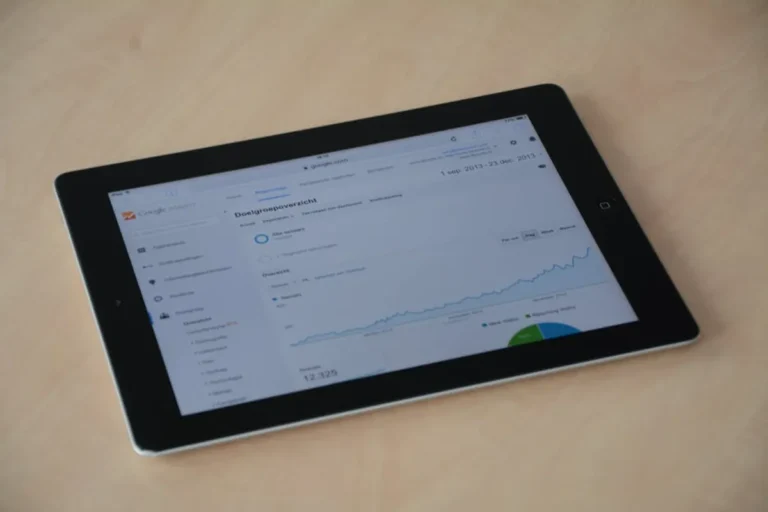
For any website owner, Google Search Console (GSC) stands as the most authoritative and comprehensive free tool for understanding organic search performance. Unlike third-party SERP checkers that simulate a search, GSC reports data directly from Google's index, showing actual impressions, clicks, and average positions for your site's keywords.
Best for: Tracking your own site's performance, identifying top-performing queries, discovering new keyword opportunities, and monitoring technical SEO health.
- Performance Report: Provides data on clicks, impressions, CTR, and average position over time for all keywords your site ranks for. You can filter by query, page, country, device, and search appearance.
- Position Data: While an "average position" is not a real-time, exact rank, it indicates your site's general visibility for a given query across its various placements. This is invaluable for understanding trends and identifying keywords that are close to page one.
- Discovering Opportunities: GSC reveals queries where your site appears but doesn't get many clicks, suggesting opportunities for content optimization or improved CTR.
Pro Tip: Combine Google Search Console data with a free, instant SERP checker. Use GSC to identify keywords where your average position is, for example, 8-12. Then, use an instant SERP checker to see the exact current SERP for those keywords, analyzing competitors and SERP features that might be impacting your visibility.
Practical Applications of Free SERP Data
Despite their limitations, free SERP checkers serve several practical purposes within an SEO workflow:
Ad-hoc Spot Checks: Quickly verify a ranking after a content update or to see how a competitor is performing for a specific query.
Competitive Analysis (Limited Scope): Examine the top 10 results for a handful of competitor keywords to understand their content approach, backlink profiles, and on-page optimization. This is a manual, query-by-query process.
Local SERP Exploration: Check how local businesses rank for specific "near me" or geo-modified queries from various simulated locations.
SERP Feature Analysis: Observe the presence of featured snippets, local packs, image carousels, or video results for target keywords. This helps inform content strategy to capture these valuable SERP elements.
Keyword Research Validation: After identifying potential keywords, use a free checker to see the current competitive landscape and the types of content already ranking. This can help refine your keyword list before investing in content creation.
Making the Most of Limited Resources
When relying on free tools, a structured approach maximizes their utility. Prioritize your most critical keywords for manual checks. Integrate Google Search Console as your primary source for your site's performance data. Use third-party free checkers for specific, immediate needs that GSC doesn't directly address, such as competitor analysis or real-time local SERP views.
Understand that free tools are not a substitute for comprehensive rank tracking platforms. They are supplementary resources best used for specific tasks where real-time, single-query data is sufficient. As your SEO needs grow in complexity, scale, or the requirement for historical analysis, transitioning to a paid solution becomes a necessary investment.
Common Questions About Free Rank Tracking
How accurate are free SERP checkers?
The accuracy of free SERP checkers depends on their methodology. Most aim to simulate a real search, often using proxies and specifying location/device. While generally reliable for a snapshot, they may not perfectly replicate every user's unique SERP due to personalization, search history, and real-time algorithm fluctuations. Google Search Console offers the most accurate data for your own site's performance.
Can I track local rankings with a free tool?
Many free SERP checkers offer country-level location targeting, and some provide city-level options. The depth of local specificity varies, so it's essential to check the tool's capabilities. For precise, ongoing local rank tracking across multiple locations, a specialized local SEO tool is typically required.
How often should I check rankings using a free tool?
Since free tools don't offer automated, continuous tracking, the frequency depends on your specific needs. For critical keywords or after significant content updates, a daily or weekly spot check might be appropriate. For general monitoring or less critical terms, monthly checks could suffice. For your own site, Google Search Console updates its performance data regularly, providing a more consistent overview.
Are there any risks to using free SERP checkers?
The primary "risk" is often limited data, lack of historical tracking, and potential for rate limits. Some free tools may also display ads or have less robust security measures than paid platforms. Always ensure you're using reputable tools and avoid entering sensitive information.