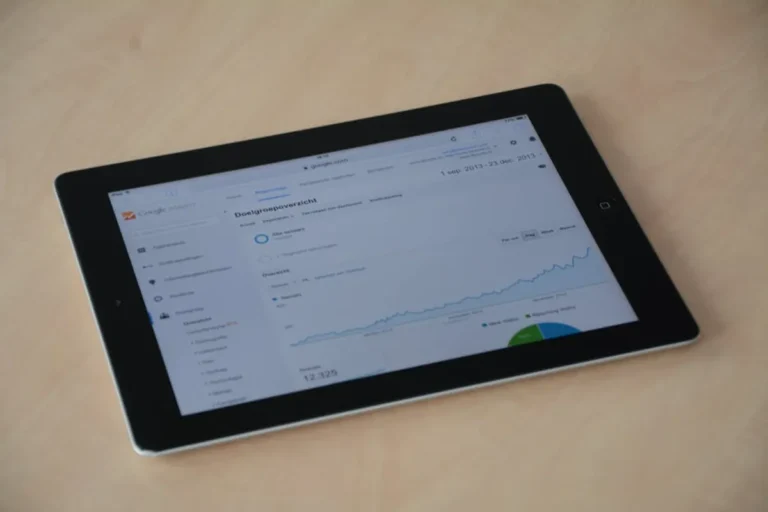
For any organization relying on organic search visibility, understanding daily SERP positions is not merely a reporting task; it is a critical operational intelligence function. The landscape of search engine results pages (SERPs) is in constant flux, driven by algorithm updates, competitor activity, and user behavior shifts. Monitoring daily SERP positions provides the real-time data necessary for SEO professionals, marketers, site owners, and agencies to make informed, agile decisions that directly impact organic traffic, conversions, and revenue. This granular visibility moves beyond periodic snapshots, offering a continuous pulse on performance and immediate indicators for both opportunities and threats.
The Imperative of Daily SERP Position Monitoring
Relying on weekly or monthly rank tracking updates can lead to significant delays in identifying critical performance shifts. Search engine algorithms, particularly Google's, undergo frequent minor adjustments and occasional major core updates that can reorder rankings overnight. A sudden drop in position 3 to position 15, if not detected for several days, can result in substantial lost traffic and revenue. Conversely, a rapid ascent from position 8 to position 2 for a high-value keyword, if unnoticed, means missed opportunities to capitalize on increased visibility with targeted content promotion or internal linking adjustments.
Competitor actions also necessitate daily monitoring. A rival launching new content, optimizing existing pages, or acquiring high-authority backlinks can directly influence your rankings. Daily tracking allows for a more immediate understanding of these competitive pressures, enabling a faster strategic response. Furthermore, internal site changes—such as new content deployments, technical SEO fixes, or even unintentional errors—can impact rankings. Daily position checks provide the earliest possible feedback loop on the efficacy or detriment of these internal actions.
Key Metrics and Data Points for SERP Rank Tracking
Effective daily SERP rank tracking extends beyond a single position number. A comprehensive view requires collecting and analyzing several interconnected data points to derive actionable insights:
- Exact Position: The precise organic ranking of a specific URL for a given keyword. This is the fundamental metric, but its context is crucial.
- Associated URL: Knowing which specific page ranks for a keyword helps diagnose content relevance issues or identify cannibalization.
- SERP Features Triggered: Identifying if the keyword triggers rich results like featured snippets, local packs, image carousels, video carousels, or "People Also Ask" boxes. This indicates opportunities for optimization to capture these high-visibility features.
- Search Volume Estimate: While not a daily metric, integrating search volume provides context to position changes, helping prioritize efforts on high-volume, high-value keywords.
- Visibility Index/Share of Voice: A calculated metric that aggregates keyword positions and search volumes to provide a holistic view of overall organic presence for a set of keywords. Daily changes here indicate broad performance trends.
- Competitor Positions: Tracking how direct competitors rank for the same keyword set offers essential context for your own performance shifts.
Granular Tracking: Beyond Top 10 Positions
Focusing solely on keywords within the top 10 positions overlooks a significant segment of opportunity. Tracking positions 11-30, or even deeper into the SERPs, is vital for identifying "near-miss" keywords. These are terms for which your content is already deemed somewhat relevant by search engines but requires further optimization—such as content expansion, improved internal linking, or targeted external link acquisition—to push it onto the first page. Daily monitoring of these positions allows for swift identification of pages that are on the cusp of breaking into the top 10, enabling proactive, high-impact optimization efforts.
Best for: Identifying low-hanging fruit for content optimization and link building campaigns.
Operationalizing Daily Rank Tracking Data
Raw daily ranking data is only valuable when integrated into an operational workflow that enables rapid analysis and action. This involves setting up automated reporting, configuring alerts, and establishing clear protocols for responding to significant changes.
For example, a sudden, sustained drop in positions for a cluster of high-value keywords might trigger an immediate investigation into recent site changes, technical issues (e.g., indexing problems, server downtime), or a potential algorithm update. Conversely, a consistent upward trend for a specific content piece might signal an opportunity to amplify its reach through internal promotion, repurposing, or targeted outreach.
Pro Tip: Configure custom alerts for significant rank changes. Instead of receiving notifications for every minor fluctuation, set thresholds. For instance, an alert for any keyword dropping 5+ positions within the top 20, or any keyword entering the top 3 from positions 5-10. This filters noise and highlights actionable events, preventing alert fatigue and focusing attention where it's most needed.
Segmenting Data for Actionable Insights
Aggregate ranking data can mask important nuances. Segmenting daily rank tracking data based on specific criteria reveals deeper insights:
- Geographic Segmentation: Rankings can vary significantly by location. Tracking performance in specific cities, states, or countries is crucial for businesses with local or regional targeting.
- Device Type Segmentation: Mobile and desktop SERPs often differ, especially with the prevalence of mobile-first indexing. Monitoring positions across device types helps optimize for distinct user experiences.
- SERP Feature Analysis: Understanding which SERP features (e.g., featured snippets, image packs) your content appears in, or could appear in, provides a direct path to increasing visibility beyond standard organic links. Daily tracking helps identify when you gain or lose these valuable positions.
Strategic Benefits of Consistent Daily Monitoring
The commitment to daily SERP rank tracking yields several strategic advantages:
Early Detection of Issues: Rapid identification of ranking drops due to technical errors, penalties, or algorithm shifts allows for immediate investigation and mitigation, minimizing sustained negative impact.
Validation of SEO Efforts: Daily data provides near real-time feedback on the effectiveness of content updates, link building campaigns, and technical optimizations. This allows for quick iteration and adjustment of strategies.
Competitive Intelligence: By tracking competitor positions alongside your own, you gain a clearer picture of their organic performance shifts, informing your competitive strategy and identifying gaps or opportunities.
Resource Allocation Optimization: Prioritize SEO tasks and budget based on current performance. Focus efforts on keywords showing promise (e.g., moving from page 2 to page 1) or those experiencing critical declines.
Driving Action from Daily SERP Data
Daily SERP position monitoring transforms SEO from a reactive discipline into a proactive, data-driven strategy. It provides the necessary intelligence to quickly identify emerging opportunities, mitigate risks, and validate the impact of ongoing SEO initiatives. The objective is not simply to observe rank changes, but to leverage that information to refine content, adjust technical elements, and inform broader marketing decisions. By integrating daily rank data into regular reporting and operational workflows, organizations can maintain a competitive edge, ensuring their organic presence remains robust and responsive to the dynamic nature of search.
Frequently Asked Questions
Why is daily rank tracking more beneficial than weekly or monthly?
Daily tracking provides real-time insights into algorithm shifts, competitor actions, and the immediate impact of your own SEO changes. This allows for rapid response to drops and quick capitalization on gains, which weekly or monthly checks would delay.
How many keywords should I track daily?
The ideal number depends on your site's size, budget, and strategic focus. Prioritize high-value, high-volume keywords, brand terms, and key competitor terms. For larger sites, tracking hundreds or thousands of keywords daily is common for comprehensive coverage.
What should I do if I see significant daily rank fluctuations?
Investigate immediately. Check for recent site changes, technical issues (e.g., server errors, indexing problems), algorithm updates (check industry news), or increased competitor activity. Daily tracking helps pinpoint when the fluctuation began, aiding diagnosis.
Can daily rank tracking predict future trends?
While not a crystal ball, consistent daily tracking can reveal patterns and early indicators. For example, a gradual, sustained increase in rankings for a content cluster might suggest growing authority in that topic, allowing you to proactively create more related content.