

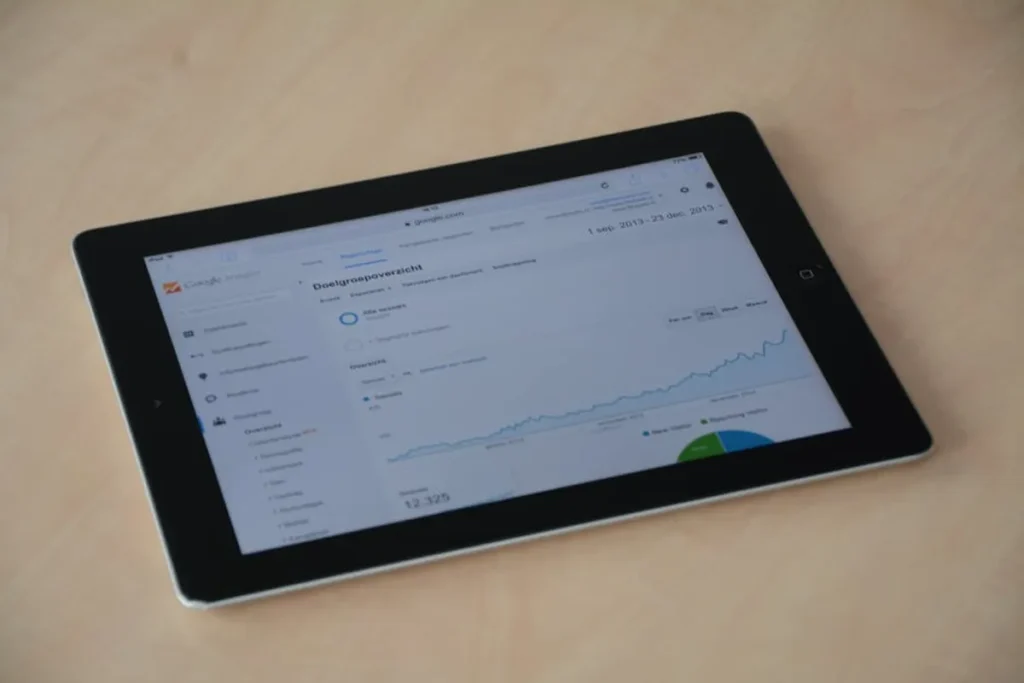
Understanding where your content ranks in search engine results pages (SERPs) is fundamental to any effective SEO strategy. Without precise, timely data on keyword positions, optimizing for visibility becomes a series of educated guesses rather than targeted actions. A SERP rank checker serves as the central intelligence hub for this critical data, providing the foundation for everything from content planning and technical SEO audits to competitive analysis and client reporting.
The decision to implement a SERP rank checker is not about simply knowing a number; it's about gaining a commercial advantage. Accurate position tracking reveals performance trends, identifies areas for improvement, and validates the impact of SEO efforts. For agencies, site owners, and marketing teams, this data translates directly into informed strategic decisions, resource allocation, and ultimately, measurable ROI.
The Imperative of Position Tracking for SEO Performance
Position tracking moves SEO from abstract theory to actionable science. It quantifies the success of content, link building, and technical optimizations by showing precisely how search engines perceive and present your web assets. This isn't merely a vanity metric; it's a direct indicator of organic visibility, which correlates strongly with traffic, conversions, and revenue.
Without a reliable rank checker, understanding the real-world impact of algorithm updates or competitor moves becomes almost impossible. Manual checks are time-consuming, prone to error, and often skewed by personalized search results. An automated system provides consistent, objective data, allowing for trend analysis over time and the identification of both opportunities and threats to your organic presence.
Core Features Defining a Robust Rank Checker
When evaluating solutions for tracking search positions, certain features differentiate a basic utility from a strategic asset.
Data Accuracy and Freshness
The value of position data diminishes rapidly with age. A robust rank checker prioritizes daily, or even hourly, updates to reflect the volatile nature of SERPs. Accuracy is maintained by simulating real user searches, often from various geographic locations and device types, to minimize personalization bias. This ensures that the reported positions genuinely reflect public visibility, providing a reliable basis for strategic adjustments.
Keyword and Search Engine Scope
Effective tracking extends beyond a handful of primary keywords. A comprehensive system accommodates thousands to hundreds of thousands of keywords, allowing for granular analysis across long-tail phrases and broad categories. Furthermore, the ability to track positions across multiple search engines (e.g., Google, Bing, Yahoo), in different countries, and for various device types (desktop, mobile) is essential for a holistic view of global and localized performance.
Reporting and Visualization
Raw data is only useful once it's translated into accessible insights. Look for tools that offer customizable dashboards, historical performance graphs, and scheduled reports. Features like keyword grouping, tagging, and filtering allow users to segment data by campaign, content pillar, or business unit. This facilitates quick identification of performance shifts and streamlined communication with stakeholders, providing context for position changes rather than just presenting numbers.
Competitive Insights
Understanding your own rankings in isolation provides only half the picture. A key differentiator for advanced rank checkers is their ability to monitor competitor positions for the same keywords. This competitive intelligence reveals who is gaining or losing ground, helps identify new market entrants, and highlights opportunities where competitors are underperforming. It enables a proactive rather than reactive approach to SEO strategy, allowing you to benchmark performance and identify competitive gaps.
Beyond Basic Checks: Advanced Capabilities
Modern SERP rank checkers offer functionalities that move beyond simple position reporting to provide deeper analytical power.
Local and Global SERP Monitoring
For businesses with physical locations or those targeting specific regional markets, local SERP tracking is indispensable. This involves monitoring rankings from specific cities, states, or postal codes, often differentiating between standard organic results and local pack listings. Conversely, global monitoring tracks performance across different language settings and country-specific search engine versions, crucial for international SEO strategies.
Mobile vs. Desktop Performance
Given the prevalence of mobile search, understanding how rankings differ between mobile and desktop devices is no longer optional. Search algorithms often present distinct results based on device type. A sophisticated rank checker will track and report these differences, allowing for device-specific content optimization and ensuring a strong presence across all user touchpoints.
SERP Feature Tracking
The SERP landscape includes more than just ten blue links. Featured snippets, People Also Ask boxes, image packs, video carousels, and local packs significantly impact visibility and click-through rates. A valuable rank checker identifies when your content appears in these rich SERP features, offering insights into opportunities to capture more prime real estate and enhance organic visibility beyond traditional rankings.
Pro Tip: Do not solely focus on average position. A keyword ranking #15 with high search volume and a strong click-through rate from a featured snippet can be more valuable than a #3 organic position for a low-volume, generic term. Always contextualize position data with search volume, SERP features, and click-through data to understand true commercial impact.
Optimizing Your SERP Position Monitoring
Integrating a SERP rank checker effectively into your workflow requires strategic setup and ongoing analysis. Start by defining your core keywords, including branded, non-branded, short-tail, and long-tail terms. Segment these keywords into logical groups that align with your business objectives, such as product categories, service lines, or content topics. This segmentation facilitates more meaningful reporting and allows for targeted optimization efforts.
Regularly review your tracked keywords to ensure they remain relevant to your current SEO campaigns and business goals. As your content strategy evolves or new products launch, update your keyword lists to maintain comprehensive coverage. Leverage the reporting features to identify trends, pinpoint sudden drops or gains, and benchmark performance against competitors. Use this data not just for reporting, but as a feedback loop to refine content, adjust technical SEO, and inform link-building strategies. The goal is to move beyond passive monitoring to active, data-driven optimization.
Common Questions About SERP Rank Checking
How frequently should I check my keyword positions?
For most businesses, daily tracking provides the necessary granularity to identify trends and react to significant shifts. Weekly or monthly checks might suffice for very stable, low-competition keywords, but daily data offers the best opportunity to observe the immediate impact of changes or algorithm updates.
Can I track local search positions accurately?
Yes, many advanced SERP rank checkers offer specific functionalities for local tracking. They allow you to specify geographic locations (city, state, zip code) and often differentiate between standard organic results and local pack rankings, providing a precise view of local visibility.
What factors can influence my SERP rankings?
Numerous factors influence SERP rankings, including content relevance and quality, backlink profile strength, technical SEO health (site speed, mobile-friendliness), user experience signals (bounce rate, time on page), and the competitive landscape. Algorithm updates by search engines also frequently cause shifts.
Is manual rank checking ever sufficient?
Manual rank checking is generally insufficient for professional SEO. It's time-consuming, prone to personalization bias (your own search history and location can skew results), and lacks the historical data and scale needed for comprehensive analysis. Automated tools provide objective, consistent data critical for informed decision-making.