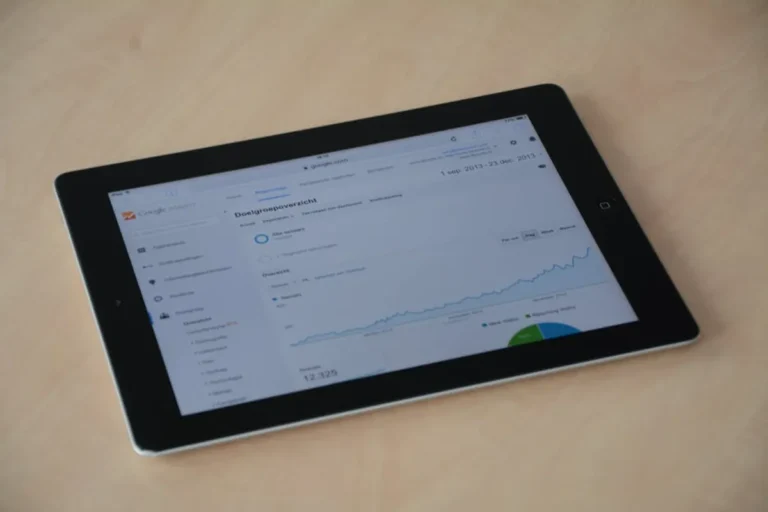
For SEO professionals, marketers, and site owners, understanding where your content ranks in Google search results for specific keywords is fundamental. A SERP rank checker provides this critical visibility, translating abstract SEO efforts into tangible performance metrics. The core function of these tools is to automate the process of querying Google for specific keywords and reporting the organic search position of a designated URL. This automation eliminates the manual, time-consuming task of searching for each keyword individually, offering a scalable solution for monitoring hundreds or thousands of target terms across various geographical locations and devices.
The decision to integrate a SERP rank checker into an SEO workflow is driven by the need for data-backed strategic adjustments. Without precise ranking data, optimizing content, identifying competitive gaps, or demonstrating ROI becomes speculative. This article explores the operational mechanics, strategic importance, and key evaluative criteria for selecting a SERP rank checker designed to check Google rankings by keyword, ensuring your SEO efforts are informed by accurate, timely data.
Operational Mechanics: Checking Google Rankings by Keyword
A SERP rank checker functions by simulating a user search on Google for a specified keyword. The tool then parses the Search Engine Results Page (SERP) to identify the position of a particular domain or URL. This process is repeated across a defined list of keywords, often daily or at custom intervals, to provide a continuous stream of ranking data.
Keyword Input and Management
Users typically upload or manually input a list of keywords they wish to track. Effective tools allow for keyword grouping, tagging, and categorization, which is crucial for managing large portfolios and segmenting data for specific campaigns or content clusters. The ability to add competitor domains alongside your own allows for direct rank comparison on shared keywords.
Geographic and Device Specificity
Google's SERPs are highly personalized based on location and device type. A robust SERP rank checker must offer granular control over these parameters. This includes specifying country, state, city, and even postal code for location-based tracking, and selecting between desktop, mobile, or tablet results. This level of detail is essential for local SEO strategies and for understanding performance across different user segments.
Data Refresh Rates and Granularity
The frequency of data updates directly impacts the timeliness of insights. While daily updates are standard for many tools, some offer on-demand checks or more frequent refreshes for critical keywords. Granularity refers to the depth of data provided, such as top 100 or top 200 results, and the inclusion of additional SERP features like featured snippets, local packs, or video carousels, which can significantly influence click-through rates regardless of organic position.
Why Accurate SERP Data Matters for SEO Strategy
The data generated by a SERP rank checker is not merely a report; it's a foundation for strategic SEO decisions. Its accuracy directly impacts the validity of subsequent analyses and optimizations.
Identifying Performance Shifts
Consistent monitoring reveals upward or downward trends in keyword rankings. A sudden drop might signal a technical issue, a Google algorithm update, or increased competition, prompting immediate investigation. Conversely, consistent gains indicate successful optimization efforts or content relevance, validating current strategies.
Competitor Analysis
Tracking competitor rankings for your target keywords provides a clear benchmark. Observing their gains or losses can inform your content strategy, backlink building efforts, or technical SEO adjustments. It helps identify keywords where competitors are outperforming and where opportunities exist to capture market share.
Content Optimization Opportunities
When a page ranks on the second or third page of Google, even a slight improvement in ranking can lead to a significant increase in organic traffic. Rank data helps pinpoint these "near-miss" keywords, allowing SEOs to prioritize content updates, improve on-page elements, or build targeted internal links to push these pages into more visible positions.
Pro Tip: Always cross-reference significant ranking changes with other data sources like Google Search Console and Google Analytics. A ranking drop might coincide with a decrease in impressions or clicks, confirming a real performance issue. Conversely, a stable rank with declining clicks could indicate a SERP feature change or a less compelling title tag/meta description.
Key Features to Evaluate in a SERP Rank Checker
Choosing a SERP rank checker requires evaluating specific features against your operational needs and strategic goals. Not all tools offer the same depth or breadth of functionality.
- Data Accuracy and Reliability: Prioritize tools known for precise, up-to-date data collection. This involves understanding their data sources, refresh mechanisms, and how they handle SERP volatility.
- Reporting and Visualization Options: Look for customizable dashboards, historical data tracking, and clear graphical representations of performance trends. The ability to export data in various formats (CSV, PDF) is also crucial for internal reporting and client communication.
- Integration Capabilities: Consider tools that offer API access for integration with other SEO platforms, business intelligence tools, or custom reporting dashboards. This streamlines data flow and enhances workflow efficiency.
- Scalability for Large Keyword Sets: If you manage multiple sites or extensive content, the tool must handle thousands or even tens of thousands of keywords without performance degradation or prohibitive costs.
- User Interface and Experience: An intuitive interface reduces the learning curve and improves daily usability. Features like bulk keyword upload, filtering, and custom alerts contribute to a smoother user experience.
Leveraging Rank Data for Actionable Insights
Simply possessing rank data is insufficient; the value lies in its interpretation and application. Here's how to translate raw ranking information into actionable insights:
Best for: Identifying quick wins
Focus on keywords ranking just outside the top 10 (positions 11-20). These pages often require minimal optimization to break into the first page, yielding significant traffic gains. Analyze the content, meta descriptions, and internal linking for these specific URLs.
Best for: Long-term content strategy
Monitor keywords where your site consistently ranks well but could improve. This indicates strong topical authority. Consider expanding existing content, creating pillar pages, or developing related content to further dominate these keyword clusters.
Best for: Competitive intelligence
Identify keywords where competitors are consistently outranking you. Analyze their content, backlink profiles, and on-page optimization. This competitive gap analysis informs where to focus resources to challenge their positions.
Best for: Algorithm update impact assessment
After a major Google algorithm update, use rank tracking to quickly identify affected keywords and pages. This allows for rapid diagnosis of issues and targeted recovery strategies, minimizing long-term negative impact.
Choosing the Right SERP Rank Checker
Selecting a SERP rank checker is an investment in your SEO program's data infrastructure. Prioritize tools that offer a balance of accuracy, scalability, and reporting flexibility. Consider your specific needs regarding geographic targeting, refresh frequency, and the volume of keywords you need to track. A robust rank checker should not only report your positions but empower you with the insights necessary to refine your strategies, demonstrate value, and ultimately drive organic growth.
Frequently Asked Questions
How often should I check Google rankings?
For most businesses, daily or every-other-day tracking is sufficient to observe trends and react to significant shifts. For highly competitive keywords or during active campaigns, more frequent checks can provide real-time insights.
Can a SERP rank checker track local rankings?
Yes, advanced SERP rank checkers allow you to specify highly localized geographic targets, down to specific cities or postal codes, providing accurate data for local SEO strategies.
Do SERP rank checkers account for personalized search results?
Reputable SERP rank checkers aim to minimize personalization by using clean IP addresses and incognito search environments. However, minor variations can still occur due to Google's dynamic algorithm, but the reported data provides a reliable aggregate view.
What's the difference between a SERP rank checker and Google Search Console data?
A SERP rank checker actively queries Google for specific keywords and reports your exact position for those terms. Google Search Console provides average position data for keywords your site already ranks for, along with impressions and clicks, offering a broader overview rather than specific, on-demand rank checks.